Spiritual Identity & Philosophy
- Home
- Spiritual Identity & Philosophy
Akshar-Purushottam Darshan
Akshar-Purushottam Darshan is the foundational spiritual philosophy upheld in the BAPS tradition and illuminated by the Guru Parampara. It teaches the eternal distinction and relationship between Aksharbrahma (the ideal, divine abode and perfect devotee) and Purushottam (Parabrahma, the Supreme God). This understanding guides seekers toward spiritual purity and ultimate liberation.
According to this doctrine, one becomes aksharrup—spiritually aligned with Aksharbrahma—through association with the living Satpurush, and then offers devotion to Purushottam. This path emphasizes moral living, devotion, humility, and disciplined spiritual practice, enabling devotees to experience inner peace and a deeper connection with God.
Akshar-Purushottam Darshan also provides a practical framework for daily spiritual living. It encourages cultivating virtues such as compassion, truthfulness, self-control, and unwavering faith while remaining actively engaged in family and society. Through devotion, seva (selfless service), and guidance of the enlightened Guru, devotees steadily progress toward spiritual realization and eternal bliss.
Akshar-Purushottam
Akshar-Purushottam – History
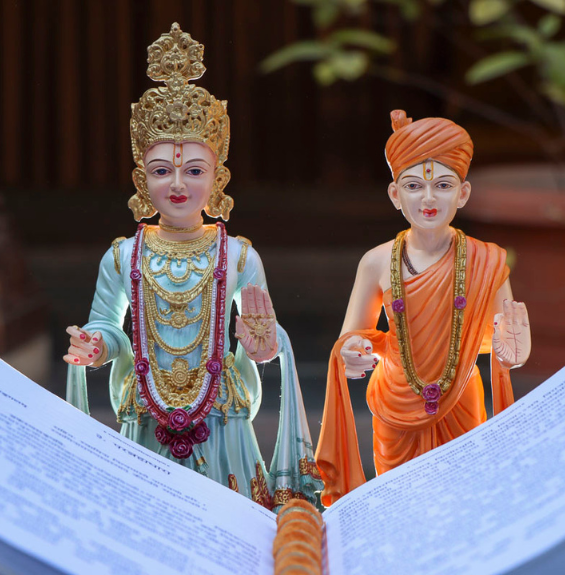
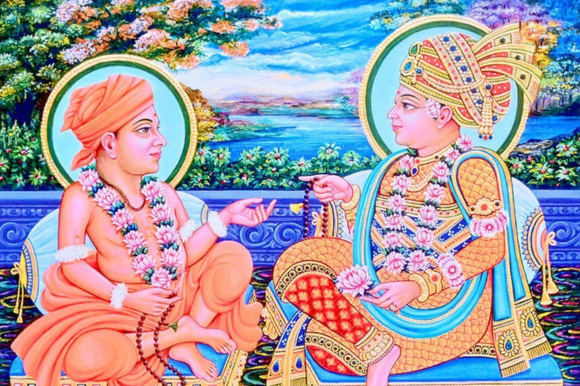
The Akshar-Purushottam philosophy was revealed by Bhagwan Swaminarayan in the early nineteenth century as a distinct and profound spiritual doctrine within the Vedic tradition. He clarified the eternal reality of five entities — jiva (soul), ishwar (cosmic controllers), maya (illusion), Aksharbrahma, and Parabrahma (Purushottam). This clear spiritual framework established the foundation of the Akshar-Purushottam Darshan.
Gunatitanand Swami was recognized as the manifest form of Aksharbrahma, the ideal devotee and eternal abode of God. Through him, the doctrine was preserved and explained in depth to seekers, ensuring its authentic transmission within the Guru Parampara.
BAPS Mandirs & Global Spiritual Centers
BAPS mandirs are sacred spaces designed to inspire devotion, discipline, and spiritual growth. Rooted in the Akshar-Purushottam philosophy, these mandirs are not merely architectural landmarks but living centers of faith and community transformation. Each mandir is traditionally crafted according to ancient Hindu shilpa shastras, reflecting intricate carvings, symbolic motifs, and harmonious proportions that elevate the mind toward divinity. Beyond their visual beauty, mandirs serve as spiritual classrooms where devotees gather for daily worship, scriptural study, and collective prayer. They nurture moral values, strengthen family bonds, and provide guidance for balanced living in the modern world. From small community mandirs to grand cultural complexes, every center reflects devotion, volunteerism, and unity. Through festivals, youth activities, and spiritual assemblies, these sacred spaces cultivate inner peace while preserving timeless traditions in a contemporary global context.

Swaminarayan Akshardham
New Delhi, India
Akshardham Temple
Gandhinagar, Gujarat, India
BAPS Shri Swaminarayan Mandir
London, United Kingdom
BAPS Shri Swaminarayan Mandir
Atlanta, Georgia, United States